The oil painting it is, possibly, the technique queen in the world of art. From the Renaissance to the present day, the great masters have chosen to immortalize her visions. But, what makes it so special and why it remains the favorite of many collectors and artists?
Definition: what is the oil?
In technical terms, the oil painting is a painting technique where pigments (color powder) is mixed with a binder to base oilusually linseed or nut. This base oil is the one that gives the painting its unique properties, gloss, texture, and, above all, its slow drying.
Brief history of a means eternal
Although it is believed that it was used in a rudimentary form long before, were the flemish painters (such as Jan van Eyck) in the FIFTEENTH century, who perfected the mix. Thanks to the oil painting, the art passed to the rigidity of the temple to the depth, transparency and realism that today you can admire in museums such as the Prado or the Louvre.

Main features of the technique in oil
If you are thinking about purchasing a work in oil or just want to better understand this discipline, these are your keys:
- Slow-drying: Unlike acrylic, oil takes days or weeks to dry to the touch. This allows the painter to "play" with the paint, mix colors directly on the canvas, and correcting errors.
- Capacity of layers (Glazes): Allows you to apply very thin layers, and transparent, creating a sense of depth and inner light are difficult to match.
- Texture and Relief (Filling): Artists may apply paint very dense with a palette knife or brush, creating textures touch that add character to the work.
- Durability: The oil paintings can be preserved for centuries by maintaining the intensity of their colors if cared for properly.
Essential materials for the oil painter
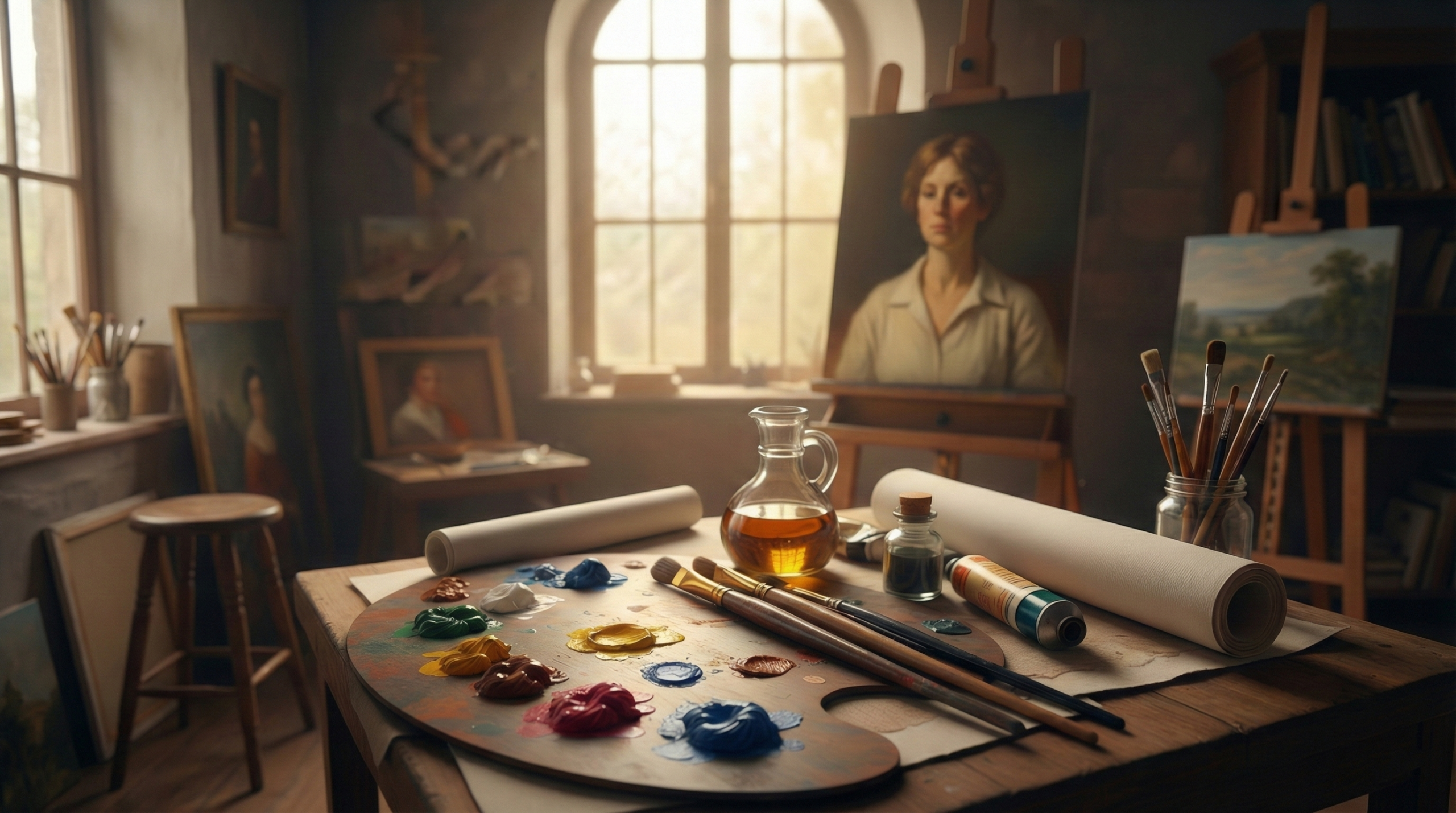
To create these pieces, the artist not only need talent, but specific tools:
- Pigments of high-quality: Mineral or synthetic materials that give the color.
- Flaxseed oil: To give fluidity.
- Essence of turpentine (turpentine): To thin the paint and clean brushes.
- Media: Usually linen canvas or cotton mounted on wooden frames.
Conclusion
The oil painting is not just a technique; it is a language of patience, and depth. Each stroke brings a centuries-old tradition and the freshness of the modern interpretation.
Are you looking for a unique piece for your home? Explore our section of oil paintings and discover original paintings painted oil paintings that capture the essence of a classic art with a contemporary touch.